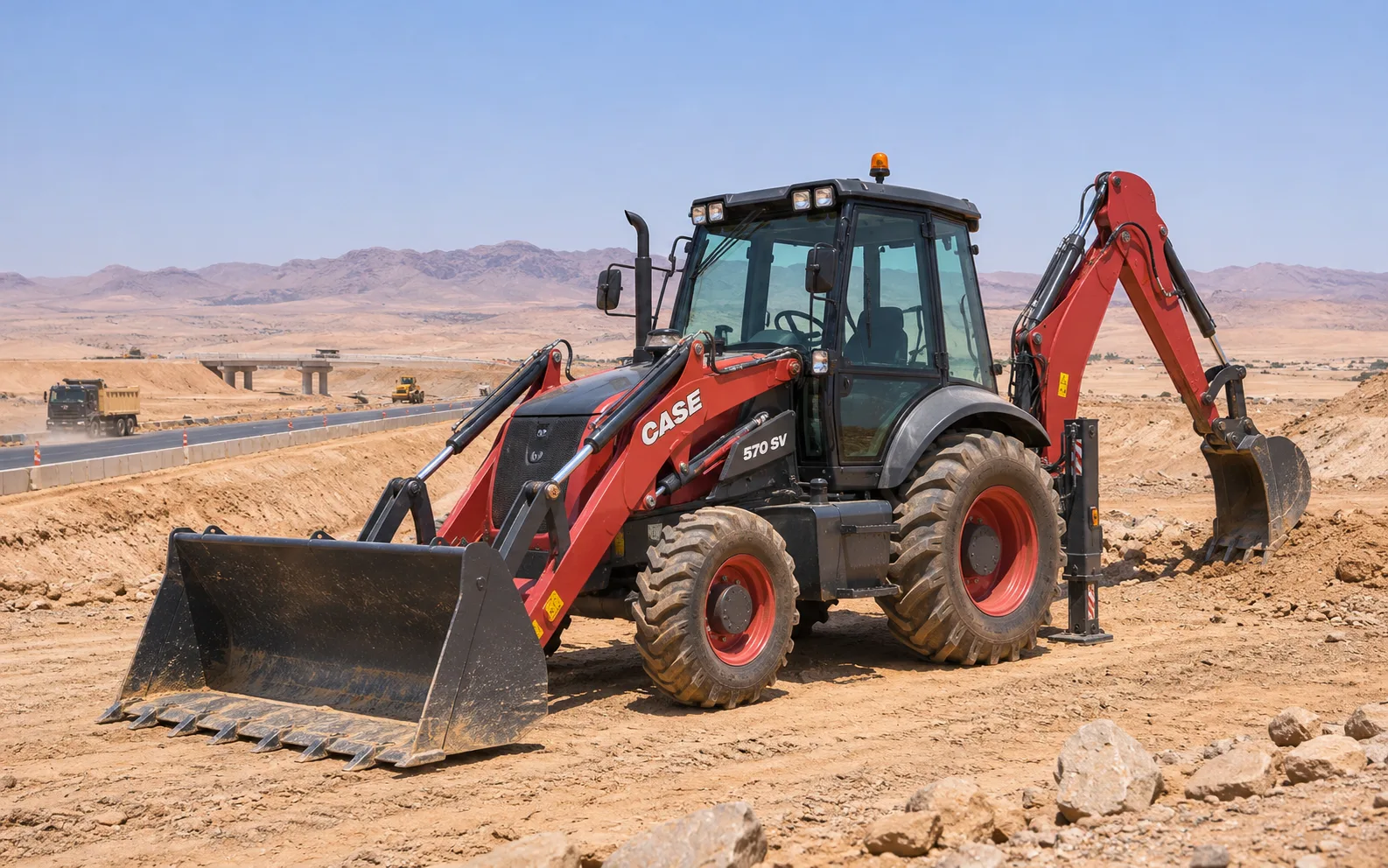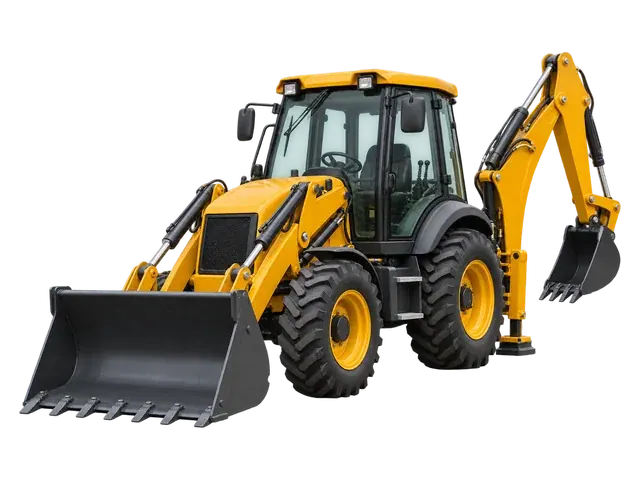

Start with the work the backhoe loader needs to do
Before comparing a backhoe loader for a Tanzania project, describe the work in practical terms. Note whether the machine will spend more time digging trenches, preparing foundations, loading trucks, moving loose material or maintaining access roads. Include the expected work area, daily use and the materials the operator will handle.
This information helps a supplier discuss a suitable configuration instead of relying on a model name alone. If the machine will move between sites, mention travel distance, access width and how it will be transported.
Check the site conditions and operating environment
Describe the ground, slope, access and working space at the project site. Soft or uneven ground, confined streets and long loading cycles can change which tires, drive arrangement, bucket and attachments make sense. Share photographs or a site plan when available, and flag any access or transport limits before requesting a quote.
If work will take place across different locations in Tanzania, list the conditions for each one. A clear description helps the supplier identify questions to resolve before a machine is selected.
Compare backhoe loader specifications
Review digging depth and reach, loader capacity, front and rear bucket sizes, drive configuration, cab and visibility, and the attachment options needed for the job. Ask for the published specification sheet for the exact proposed build and check that included equipment is listed separately from optional equipment.
For a machine expected to work long shifts, request the manufacturer’s fuel consumption information for the specific model and operating conditions. Treat fuel use as a comparison point to verify with the supplier, not as a guaranteed figure based on a different job.
What affects a backhoe loader price in Tanzania?
A search for a backhoe loader price in Tanzania is a useful starting point, but an online figure may not describe the machine or delivery scope you need. Price can depend on the model, condition, configuration, attachments, inspection requirements and the agreed shipping and delivery basis.
Ask the supplier to show what the quotation includes and excludes. Confirm whether freight, insurance, export documents, destination charges, taxes or duties and inland delivery are covered or remain for the buyer to arrange. Do not compare totals until both quotations use the same scope and handover point.
Prepare a complete equipment quotation request
A useful enquiry can be short, but it should give the supplier enough information to respond accurately. Include the intended application, project location, quantity, preferred machine or specification, attachment list, new or used condition preference and target delivery point.
Also state whether you need an inspection, photographs, operator information, spare parts or service support. If the local team uses Swahili for operating instructions, mention whether translated documents or explanations are needed so this can be discussed before dispatch.
- Project and material: Main tasks, ground conditions and expected duty cycle
- Machine requirements: Model preference, specifications, buckets and attachments
- Delivery details: Receiving point, onward transport needs and responsible parties
- Support needs: Inspection, documentation, parts and operator information
Confirm the written offer before ordering
Before accepting an offer, check that the machine description matches the agreed specification and that every attachment and included item is named. Ask the supplier to confirm availability, inspection arrangements, dispatch expectations, payment milestones and the delivery responsibilities in writing.
A detailed request makes it easier for RBAS Global to discuss equipment options and export requirements for Tanzania. Share the project conditions and destination so the proposed supply scope can be reviewed against the job.